Understanding customer perspective represents the fundamental requirement for effective small business promotion. The method involves experiencing business processes from the customer's viewpoint rather than relying on internal assumptions or outdated buyer personas.
The Core Problem with Current Approaches
Most small businesses operate based on assumptions rather than verified customer understanding. Business leaders, sales teams, and marketing personnel frequently develop strategies using limited or outdated information about their target audience. This disconnect results in promotional efforts that fail to resonate with actual customer needs and preferences.
The responsibility for customer understanding extends across all departments within an organization. Sales teams, leadership, marketing, and customer service departments must align their approach to customer comprehension since it directly affects messaging strategies and communication effectiveness.

Customer-Focused Versus Customer-Centric Strategies
Two distinct approaches exist for customer engagement: customer-focused and customer-centric methodologies. Understanding the difference proves critical for effective promotion.
Customer-Focused Approach
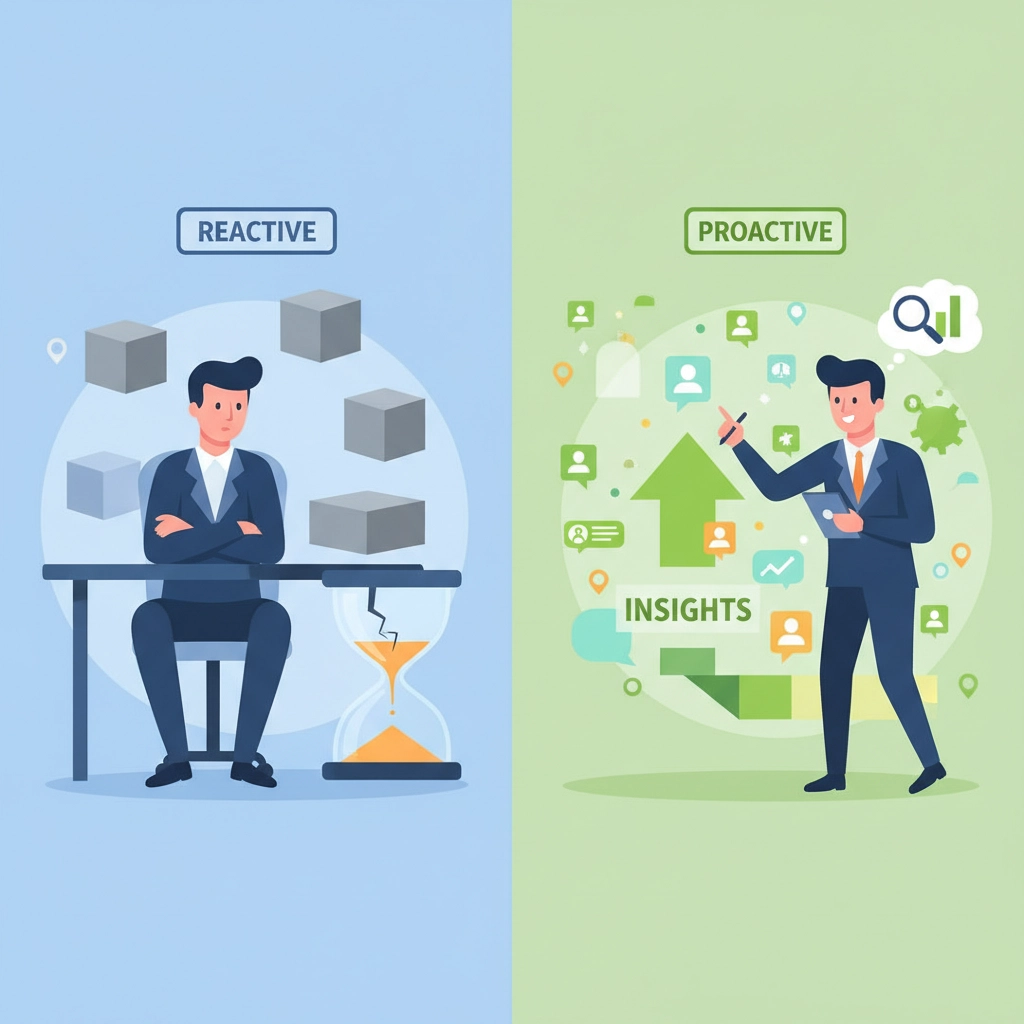
Customer-focused businesses treat selling as the primary opportunity and respond to customer requests as they arise. This reactive approach waits for customers to express needs before taking action. While this method addresses immediate customer demands, it limits promotional opportunities and business growth potential.
Customer-Centric Approach
Customer-centric businesses proactively understand customer needs without requiring direct customer input. This approach utilizes data analysis and behavioral patterns to predict customer requirements. Netflix exemplifies this methodology by suggesting content based on viewing history rather than asking customers to specify their preferences.
The customer-centric approach enables businesses to identify unfulfilled needs and create promotional opportunities that customers may not have recognized themselves.
Implementation Strategies for Customer Understanding
Direct Experience Method
The most effective technique involves experiencing the entire customer journey firsthand. Business owners and employees should navigate their own websites, complete contact forms, and proceed through the sales process as customers would. This direct experience reveals friction points, confusing elements, and opportunities for improvement.
The process includes:
- Visiting the business website as a first-time visitor
- Completing inquiry forms or booking procedures
- Following up on automated responses
- Evaluating response times and communication quality
- Assessing the overall customer experience
Active Listening Techniques
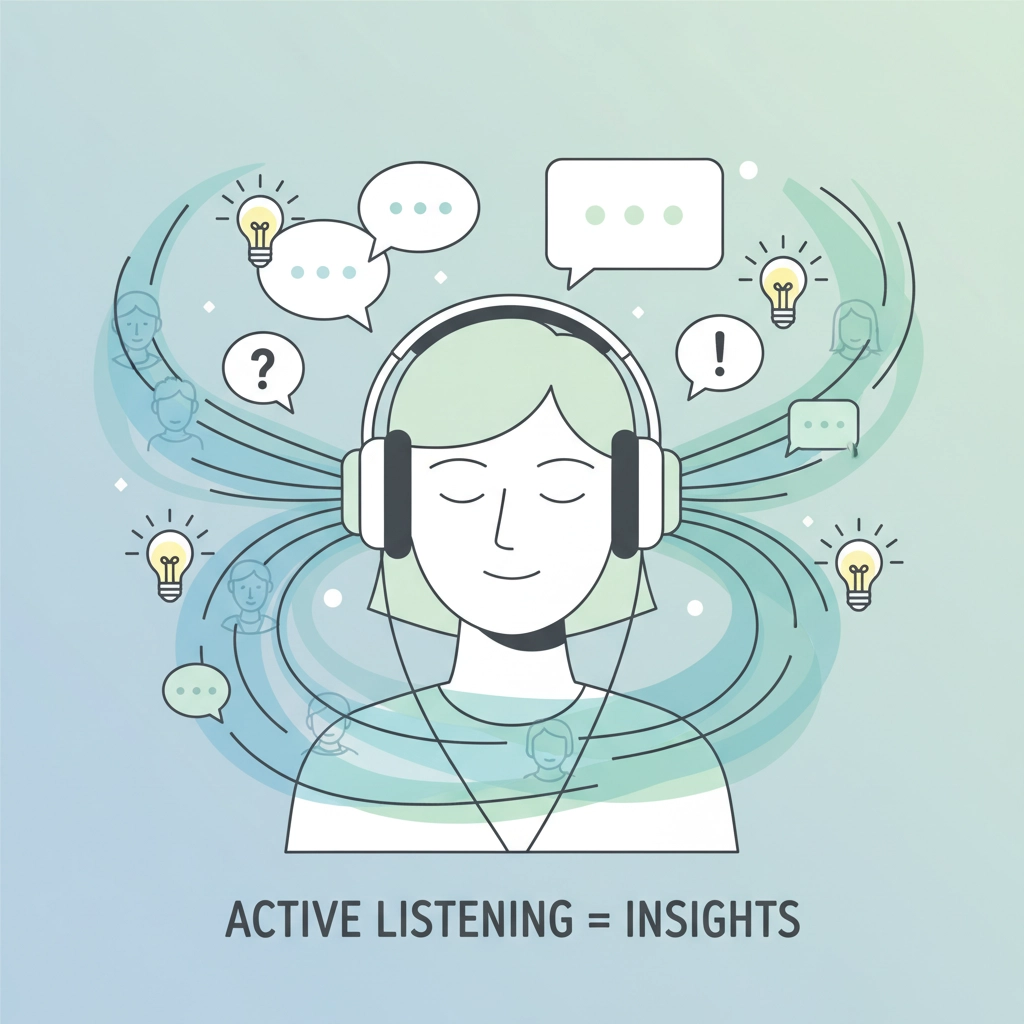
Effective customer understanding requires listening more than speaking during customer interactions. Active listening involves careful attention to customer statements and repeating information back in different words to confirm understanding. This technique demonstrates genuine comprehension and builds stronger customer relationships.
The active listening process includes:
- Focusing entirely on customer communication
- Avoiding interruptions during customer explanations
- Asking clarifying questions when necessary
- Summarizing customer needs in different terminology
- Confirming understanding before proceeding
Empathy Application
Understanding customer emotions and perspectives enhances promotional effectiveness. Business personnel should consider how they would respond in similar customer circumstances. This empathy-based approach improves customer service quality and promotional messaging accuracy.
Key considerations include:
- Customer reactions to disappointment or delays
- Response to disrespectful treatment
- Value placed on efficient service
- Expectations for communication quality
- Preferences for problem resolution
Data-Driven Customer Analysis
Customer-centric businesses utilize data analysis to understand customer behavior patterns and preferences. This approach identifies opportunities for service expansion and promotional targeting based on actual customer actions rather than stated preferences.
Behavioral Pattern Recognition
Analysis of customer behavior reveals preferences that customers may not explicitly communicate. Purchase history, website navigation patterns, and service utilization data provide insights into customer needs and interests.
Behavioral analysis includes:
- Purchase frequency and timing patterns
- Service utilization rates and preferences
- Website engagement metrics and navigation paths
- Response rates to different promotional approaches
- Customer retention and churn patterns
Unfulfilled Need Identification
Data analysis reveals gaps between current offerings and customer requirements. These gaps represent promotional opportunities for service expansion or modification. Understanding these unfulfilled needs enables targeted promotional campaigns and service development.
Small Business Advantages in Customer Understanding
Small businesses possess inherent advantages in customer understanding compared to larger organizations. Limited customer bases enable personalized service and detailed customer knowledge that larger competitors cannot easily replicate.
Personalized Service Capabilities
Small businesses can provide individualized attention to each customer relationship. This personalization enables deeper understanding of specific customer needs and preferences. The direct customer interaction available to small businesses creates opportunities for detailed customer insights.
Flexible Response Mechanisms
Small businesses can quickly adapt promotional strategies based on customer feedback and market changes. This flexibility enables rapid implementation of customer-centric approaches and promotional adjustments based on customer response.
Direct Customer Access
Small business owners often interact directly with customers, providing immediate access to customer opinions and feedback. This direct communication eliminates intermediary layers that may filter or modify customer information in larger organizations.
Promotional Benefits of Customer Understanding
Understanding customer perspective provides multiple promotional advantages for small businesses. These benefits directly impact business growth and competitive positioning.
Enhanced Message Resonance
Promotional messages based on actual customer understanding achieve higher response rates than generic marketing approaches. Understanding customer language, concerns, and motivations enables creation of promotional content that addresses specific customer interests.
Improved Customer Satisfaction
Customer-centric promotional approaches result in higher customer satisfaction levels. When promotional messages align with actual customer needs, the resulting customer experience meets or exceeds expectations.
Increased Referral Generation
Satisfied customers who feel understood by businesses provide more referrals than customers who receive generic service. Word-of-mouth promotion from satisfied customers represents a valuable promotional channel for small businesses.
Competitive Differentiation
In markets where consumers have multiple choices, businesses that demonstrate genuine customer understanding create competitive advantages. This differentiation becomes particularly valuable in service-based industries where customer experience directly impacts business success.
Implementation Timeline and Process
Implementing customer-centric promotional approaches requires systematic development and execution. The process involves multiple phases and ongoing refinement based on customer feedback and market response.
Initial Assessment Phase
The implementation process begins with assessment of current customer understanding levels and promotional effectiveness. This assessment identifies areas requiring improvement and establishes baseline measurements for progress tracking.
Customer Experience Mapping
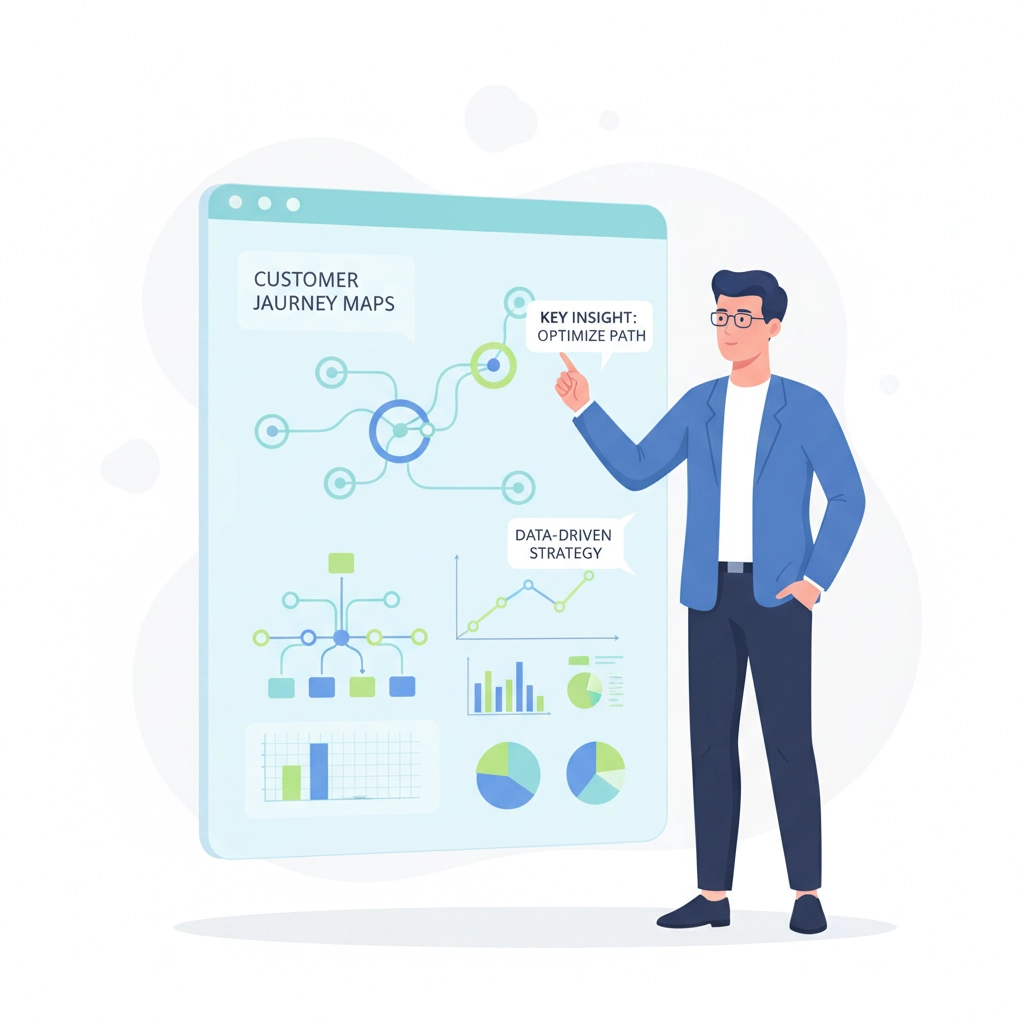
Detailed mapping of customer experience touchpoints reveals opportunities for improvement and promotional integration. This mapping process documents each customer interaction and identifies potential friction points or enhancement opportunities.
Promotional Strategy Development
Customer understanding insights inform development of targeted promotional strategies that address specific customer segments and needs. These strategies incorporate customer language, preferences, and communication channels.
Monitoring and Adjustment
Ongoing monitoring of customer response and satisfaction enables continuous refinement of promotional approaches. Regular assessment ensures promotional strategies remain aligned with evolving customer needs and market conditions.
The customer-centric approach to small business promotion requires commitment to understanding customer perspective and continuous improvement based on customer feedback. This approach enables small businesses to compete effectively against larger competitors while building sustainable customer relationships that support long-term business growth.